YIVTOL S-Zero Plus Explained | How This Personal eVTOL Aircraft Works
Personal aviation is changing as electric aircraft developers explore new ways to make short-distance flight more accessible. One example is the YIVTOL S-Zero Plus, a single-seat electric vertical take-off and landing aircraft designed for personal recreational flying and other low-altitude applications.
Unlike conventional aircraft, an eVTOL can take off and land vertically. This removes the need for a traditional runway, although a suitable and legally approved operating area is still essential.
This guide explains what the YIVTOL S-Zero Plus is, how its technology works, what its published specifications mean, and what potential buyers should understand before considering it.
What Is the YIVTOL S-Zero Plus?
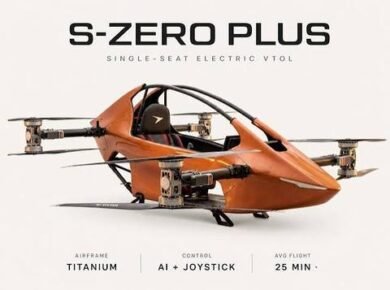
The YIVTOL S-Zero Plus is a single-seat personal electric aircraft developed as part of the S-Zero eVTOL range. It uses multiple electric rotors to generate lift and control its movement during flight.
The aircraft is designed around a compact multirotor configuration. Its main features include vertical take-off and landing, electric propulsion, flight-control assistance, and an onboard pilot-control option.
It is important to understand that this is a personal aircraft concept, not an electric car or a conventional passenger air taxi. It is designed for one occupant, and its operation depends on training, flight conditions, and local aviation rules.
How Does the YIVTOL S-Zero Plus Work?
The aircraft uses electric motors connected to multiple rotors. These rotors produce the upward force needed to lift the aircraft from the ground.
Its flight-control system helps manage rotor output to maintain balance and respond to pilot inputs. By adjusting the thrust produced by different motors, the aircraft can climb, descend, hover, and move in different directions.
The vertical-flight design means it does not require a conventional runway for take-off or landing. However, operators still need an appropriate landing area and must follow applicable aviation requirements.
What Are the Main Features of the S-Zero Plus?
Multi-Rotor Electric Propulsion
The S-Zero platform is described by its manufacturer as having four arms and eight coaxial rotors. This configuration uses several electric propulsion units rather than a traditional fixed-wing engine.
Multiple rotors are an important part of multirotor aircraft design because they help generate lift and provide flight control.
Single-Seat Design
The aircraft is intended for one occupant. Its compact layout focuses on individual flight rather than carrying multiple passengers.
Flight-Control Options
YIVTOL describes two control approaches: a ground-station remote-control option and an onboard joystick. The available setup and operating procedure should be confirmed for the specific aircraft edition.
GPS and Attitude Flight Modes
The manufacturer lists GPS mode and Attitude mode. GPS-assisted control can help with positioning and stabilisation, while Attitude mode requires more direct pilot control.
These modes are not a replacement for proper instruction or flight experience.
Electric Power System
Electric propulsion uses battery-powered motors instead of a conventional fuel-powered engine. Battery capacity, temperature, payload, and operating conditions can all affect actual flight performance.
YIVTOL S-Zero Plus Specifications
According to YIVTOL’s published product information, the S-Zero Plus has the following headline figures:
| Specification | Published information |
|---|---|
| Aircraft type | Personal electric eVTOL |
| Seating | Single seat |
| Rotor configuration | Four arms, eight coaxial rotors |
| Rated payload | 90 kg |
| Maximum payload | 120 kg |
| Published flight time | Up to 30 minutes |
| Airframe material | Titanium alloy, according to manufacturer |
| Take-off and landing | Vertical |
These are manufacturer-published figures, not independent performance guarantees. Actual flight time and payload limits depend on the operating configuration and conditions. Confirm the latest technical documentation before making a purchase decision.
How Long Does the YIVTOL S-Zero Plus Battery Take to Charge?
Charging time depends on the available electrical supply. YIVTOL’s FAQ gives approximate charging times of:
- 380V supply: Around 1 hour.
- 220–230V supply: Around 2 hours.
- 110–120V supply: Around 3 hours.
These are manufacturer-provided estimates. Buyers should confirm the required charger, electrical compatibility, battery-care instructions, and charging conditions for their region.
Is the YIVTOL S-Zero Plus Safe?
Safety is one of the most important considerations when evaluating any aircraft, particularly a single-seat electric aircraft.
YIVTOL describes features such as multiple motors, rotors, battery packs, flight controllers, and backup signal systems. The company also reports conducting wind and single-motor failure testing.
However, manufacturer statements should be distinguished from independently verified certification or operational approval. Redundant components can reduce certain risks, but they do not eliminate the possibility of technical failure or accidents.
Before flying, an operator should understand the aircraft’s emergency procedures, weather limits, maintenance schedule, battery limitations, and training requirements. Any optional safety equipment should also be evaluated using the official documentation.
Does the YIVTOL S-Zero Plus Need a Pilot Licence?
There is no single worldwide answer. Aircraft classification and pilot requirements vary by country and may depend on weight, aircraft category, intended use, and local aviation regulations.
Although the manufacturer discusses ultralight classifications and specific regulatory pathways, buyers should not assume that the aircraft can be flown without a licence or approval in every location.
Contact the relevant aviation authority before purchasing or operating the aircraft. Also confirm registration, insurance, permitted flight areas, and any required pilot training.
Who Is the YIVTOL S-Zero Plus Designed For?
The aircraft may interest people exploring personal electric aviation, including:
- Flying enthusiasts interested in eVTOL technology.
- Aviation schools researching electric flight platforms.
- Tourism operators evaluating low-altitude flight experiences.
- Technology researchers studying personal aircraft design.
These are potential areas of interest, not a guarantee that the aircraft is approved or suitable for every commercial or recreational application.
What Should You Check Before Buying?
A product specification sheet is only one part of an aircraft purchase decision. Before choosing the S-Zero Plus, consider:
- Current price:
Request a written quotation that explains what is included. - Payload:
Check the rated payload and maximum limit in the latest manual. - Real-world flight time:
Ask how performance changes with pilot weight, weather, and battery condition. - Training:
Confirm the training programme and requirements for solo operation. - Local regulations:
Check registration, pilot qualifications, and operating permissions. - After-sales support:
Ask about spare parts, battery replacement, maintenance, and warranty coverage.
A careful review of these details can help buyers understand the practical responsibilities of owning a personal eVTOL.
FAQs About YIVTOL S-Zero Plus
What is the YIVTOL S-Zero Plus?
It is a single-seat personal electric vertical take-off and landing aircraft developed by YIVTOL. It uses multiple electric rotors to lift and control the aircraft.
How long can the S-Zero Plus fly?
YIVTOL publishes a flight time of up to 30 minutes for the Plus edition. Actual endurance may vary with payload, weather, battery condition, and flight operation.
How much weight can the aircraft carry?
The manufacturer’s published figures list a rated payload of 90 kg and a maximum payload of 120 kg. Buyers should confirm the applicable limits in the latest official documentation.
Does the YIVTOL S-Zero Plus need a runway?
It is designed for vertical take-off and landing, so it does not require a conventional runway. A suitable operating area and any required permissions are still necessary.
How long does the battery take to charge?
The manufacturer’s FAQ gives approximate charging times of one hour with a 380V supply, two hours with 220–230V, and three hours with 110–120V.
Is the S-Zero Plus fully autonomous?
The manufacturer describes GPS-assisted and Attitude flight modes, along with ground-station and onboard control options. These features should not be interpreted as proof that the aircraft can operate without a trained pilot or operator.
Is a pilot licence required?
Requirements depend on the country and the aircraft’s legal classification. Check with the local aviation authority rather than relying on a general claim about licence exemptions.
Is the YIVTOL S-Zero Plus suitable for beginners?
The aircraft includes assisted-control features, but that does not make it automatically suitable for untrained users. Professional instruction and compliance with local rules are important before solo flight.
Final Thoughts
The YIVTOL S-Zero Plus is an example of how electric propulsion and multirotor technology are being applied to personal aviation. Its single-seat layout, vertical take-off capability, and assisted flight-control options make it an interesting aircraft to research.
However, published specifications are only a starting point. Flight performance, training, safety documentation, maintenance, and local aviation regulations should all be checked before making a decision.
For the most reliable information, consult YIVTOL’s latest technical documents and confirm important details directly with the manufacturer and your local aviation authority.


One Comment