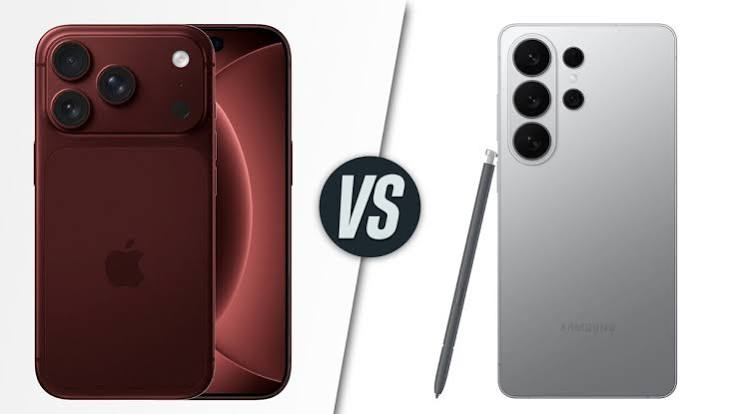
iPhone vs Samsung (2026) | Which Phone Is Better?
Choosing between an iPhone and a Samsung Galaxy smartphone can be challenging, especially when both brands offer powerful hardware, advanced cameras, high-quality displays, and AI-powered features. However, the best choice depends on more than specifications. Your budget, preferred operating system, daily usage, and existing devices all influence which smartphone delivers the best value.
In this iPhone vs Samsung comparison, we examine camera performance, battery life, processing power, display quality, artificial intelligence, software updates, privacy, and long-term ownership costs. We also explain which type of user may benefit most from each brand, helping you make an informed purchasing decision.
Quick answer: Choose an iPhone if you prefer Apple’s integrated ecosystem and iOS experience. Consider Samsung if you want a broader selection of smartphones, greater customization, or features such as foldable displays on supported models. For the best overall value, compare specific phones at similar prices rather than judging the brands alone.
iPhone vs Samsung: Key Differences at a Glance
Apple and Samsung approach smartphone design differently. Apple develops iPhones around its own hardware, iOS, and services, while Samsung offers Galaxy smartphones across several price categories and uses Android with its One UI interface.
The following table summarizes the main differences buyers should consider.
| Feature | iPhone | Samsung Galaxy |
|---|---|---|
| Operating system | Apple’s iOS | Android with Samsung One UI |
| Device selection | A focused range of models | Budget, mid-range, flagship, and foldable models |
| Camera experience | Integrated photo and video workflow | Different camera systems across the Galaxy range |
| Customization | More controlled interface | Extensive customization options |
| AI capabilities | Apple Intelligence on supported devices | Galaxy AI on supported devices |
| Ecosystem | Apple devices and services | Galaxy devices, Android, and compatible services |
| Productivity | Strong integration with Apple applications | Multitasking and additional tools on compatible models |
| Price range | Varies by generation and model | Broad range of price categories |
| Software support | Depends on model and Apple’s support policy | Depends on model and Samsung’s support commitment |
| Best fit | Users who prefer Apple’s ecosystem | Users who value variety and Android flexibility |
These are general platform differences, not universal performance rankings. Camera quality, battery endurance, charging speed, and update eligibility must be assessed using the exact models being compared.
1. iPhone vs Samsung: Design and Build Quality
Design influences how comfortable a smartphone feels, how easily it fits into your routine, and how well it suits your preferences.
Apple maintains a relatively consistent design language across its iPhone family. Buyers can choose between different sizes and configurations, depending on the generation. Supported features may include Face ID, an Action button, and integration with Apple’s accessories and services.
Samsung offers more variety through its Galaxy portfolio. Depending on the model, buyers may find conventional smartphones, larger displays, foldable designs, and S Pen compatibility.
When comparing build quality, examine the frame material, front and back glass, dimensions, weight, and official water-resistance rating. A premium finish does not guarantee that a phone will survive a drop or exposure to water.
Repairability also matters. Screen replacement, battery replacement, spare-parts availability, and local repair costs can significantly affect ownership expenses.
Which is better? An iPhone may suit buyers who prefer Apple’s established design and integrated experience. Samsung may be more suitable if you want more hardware choices or a foldable smartphone.
2. Camera Comparison: iPhone vs Samsung
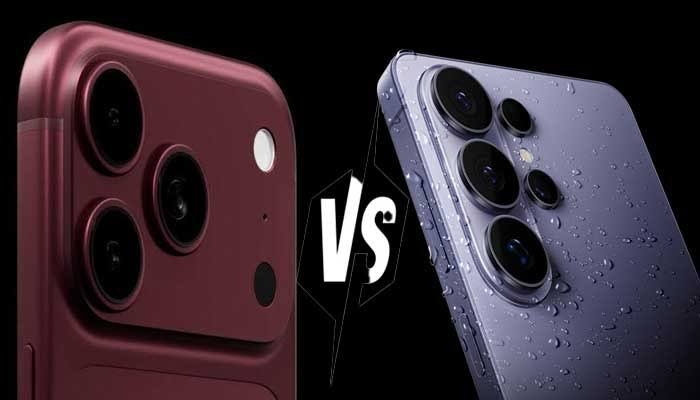
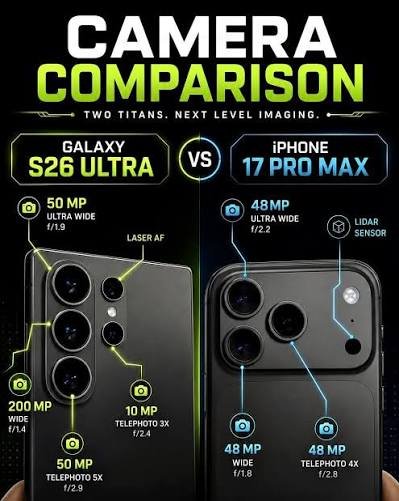
Camera quality is one of the most important considerations when buying a smartphone. However, the best camera is not necessarily the one with the highest megapixel count.
Image quality depends on the sensor, lens, image processing, stabilization, autofocus, lighting, and software.
Photo Quality and Image Processing
iPhones are designed to provide an integrated photography experience with Apple’s image processing and Photos application. Depending on the model, users can access features such as computational photography, portrait effects, and advanced photographic controls.
Samsung Galaxy phones offer different camera configurations across the range. Selected premium models provide dedicated telephoto lenses, high-resolution sensors, ultrawide cameras, and additional image-editing tools.
For everyday photography, compare skin tones, exposure, dynamic range, fine detail, and how each device handles moving subjects.
A photograph that looks impressive on a bright phone screen may not retain the same quality when viewed on a computer or printed at a larger size.
Video Recording
Video quality is particularly important for content creators, vloggers, and people who publish videos on social media.
When comparing iPhone and Samsung cameras, examine:
- Video stabilization while walking.
- Autofocus speed and subject tracking.
- Exposure consistency when lighting changes.
- Audio quality from the built-in microphones.
- Supported recording resolutions, frame rates, and formats.
- Compatibility with your preferred editing applications.
Certain iPhone models provide advanced video formats and editing workflows. Selected Samsung Galaxy models also offer extensive recording controls and high-resolution video options.
The better choice depends on the exact devices and how you plan to edit and publish your content.
Zoom and Low-Light Photography
Dedicated optical zoom hardware can make a meaningful difference when photographing distant subjects. Some premium Samsung Galaxy models provide multiple telephoto options, while telephoto availability differs across iPhone models.
For night photography, compare sample images taken in the same conditions. Look at noise, sharpness, highlight preservation, color accuracy, and motion blur.
Camera verdict: There is no reliable brand-wide winner for every type of photography. Compare the actual models using independent camera tests and sample images before buying.
3. Battery Life and Charging Speed
Battery life determines how comfortably a smartphone can handle a full day of work, travel, communication, and entertainment.
Both Apple and Samsung combine hardware and software to manage power consumption. Real-world results vary with battery capacity, processor efficiency, display brightness, mobile signal strength, background activity, and usage patterns.
Which Phone Lasts Longer?
Do not assume that the phone with the largest battery will always last the longest.
A device with an efficient processor and display may outperform a phone with a larger battery under certain workloads. Gaming, navigation, mobile data, video recording, and high screen brightness can also increase battery consumption.
When comparing battery tests, look for similar screen brightness, network conditions, applications, and testing duration.
Charging Speed and Convenience
Charging performance depends on the supported wired and wireless charging standards, compatible accessories, and the device’s charging curve.
Some Samsung models support faster wired charging than certain iPhones, but charging speeds vary by model. Apple also offers MagSafe and other supported wireless charging options on compatible devices.
Check whether the required charger is included, which accessories are compatible, and how long the phone takes to reach a useful charge level.
Battery Health Over Time
All rechargeable smartphone batteries gradually lose capacity. Battery health, temperature, charging habits, and age influence long-term performance.
If you intend to keep a phone for several years, check the availability and cost of an authorized battery replacement.
Battery verdict: Compare independent endurance tests and charging measurements for the exact two models you are considering. Brand reputation and battery capacity alone are not enough to establish a winner.
4. Performance and Gaming
Processing power affects application loading, multitasking, gaming, video editing, and other demanding activities.
Apple designs its own A-series processors for iPhones. Samsung uses processors that vary by Galaxy model and, in some cases, by market.
Both companies offer devices capable of handling demanding applications. However, performance differences depend on the particular processor, memory configuration, cooling system, and software optimization.
Which Is Better for Gaming?
For mobile gaming, evaluate sustained frame rates rather than relying only on short benchmark results.
Important factors include:
- Graphics performance during long sessions.
- Thermal management and heat buildup.
- Display refresh rate and touch responsiveness.
- Battery consumption during gameplay.
- Compatibility with your preferred games and controllers.
A phone that performs well for five minutes may behave differently during a longer gaming session if it becomes hot.
Performance for Work and Content Creation
Video editing, large photo projects, document handling, and professional applications may benefit from faster hardware and optimized software.
Before purchasing, verify that your essential applications support the operating system and features you need. If you regularly transfer large files, also compare USB transfer capabilities, cloud services, and compatibility with your computer.
Performance verdict: Both brands offer powerful options. Choose based on model-specific performance, application compatibility, and sustained real-world results rather than processor names alone.
5. Display Quality: iPhone vs Samsung
A smartphone display affects reading, streaming, gaming, outdoor visibility, and photo editing.
Many current iPhones and Samsung Galaxy phones use OLED-based display technology. However, resolution, brightness, refresh rate, color calibration, and additional display features differ between models.
Brightness and Outdoor Visibility
Peak brightness specifications can be useful, but manufacturers may measure them under different conditions.
For everyday use, look for independent measurements of outdoor visibility, reflections, automatic brightness behavior, and readability in direct sunlight.
Refresh Rate and Smooth Scrolling
A higher refresh rate can make scrolling and supported animations appear smoother. However, not every phone from either brand supports the same refresh rates.
Check the exact model’s specifications rather than assuming that all premium or budget devices have identical displays.
Color Accuracy and Viewing Comfort
Some displays emphasize vivid colors, while others prioritize a more restrained presentation. Display settings may allow users to adjust color profiles.
If screen comfort matters to you, consider brightness control, reflections, flicker characteristics, and how the display looks during extended use.
Display verdict: Compare measured brightness, refresh rate, resolution, and color accuracy on the specific devices. Samsung’s display expertise and Apple’s display integration do not automatically make every model superior to its competitor.
6. AI Features: Apple Intelligence vs Samsung Galaxy AI
AI tools are becoming a major part of the smartphone experience. Depending on device compatibility and software version, these features can help with writing, translation, photography, summaries, and selected productivity tasks.
Apple Intelligence
Apple Intelligence brings AI-powered capabilities to supported Apple devices. Depending on the device, operating-system version, language, and region, supported features may include writing assistance, image-related tools, notification summaries, and additional capabilities integrated into Apple’s software.
Not every iPhone supports every feature. Availability can also depend on language settings and regional requirements.
Before purchasing, check Apple’s current compatibility list and feature availability for your intended country and language.
Samsung Galaxy AI
Samsung Galaxy AI provides AI-powered features on supported Galaxy devices. Depending on the model and software version, these may include translation, writing assistance, image editing, transcription, and other productivity tools.
Some features may require an internet connection, a compatible Samsung account, or additional services. Availability can vary by region and language.
Which AI Experience Is Better?
The answer depends on the features you will actually use.
Apple Intelligence may appeal to users who prefer Apple’s integrated software experience. Galaxy AI may be attractive to users who value Samsung’s supported translation, editing, and productivity tools.
For a meaningful comparison, select three or four specific tasks you perform regularly and verify how each phone handles them.
AI verdict: Neither platform is automatically better for every AI task. Check the feature list, language support, privacy information, and device eligibility before making your decision.
7. iOS vs Android: Software and Customization
The operating system affects the entire smartphone experience, from notifications and settings to application permissions and device integration.
Apple’s iOS Experience
iOS is designed around Apple’s hardware and services. Its advantages may include a consistent interface, integration with other Apple devices, and a familiar approach to system settings.
People who use a Mac, iPad, Apple Watch, or AirPods may appreciate the continuity between compatible devices.
However, users who want extensive changes to the home screen, default applications, or system behavior may find iOS more restrictive than Android in certain areas.
Samsung Android and One UI
Samsung’s One UI interface is built on Android and adds Samsung-specific applications, settings, and productivity features.
Depending on the device and software version, users may be able to customize home screens, use widgets, manage split-screen applications, and access additional multitasking options.
Compatible Samsung devices also offer features such as DeX, which can provide a desktop-style experience with supported displays and accessories.
The additional options may appeal to advanced users, although some people prefer a simpler interface.
Software verdict: Choose iOS if you prefer Apple’s integrated experience. Consider Samsung if you value Android customization and supported productivity features.
8. Software Updates, Security, and Privacy
Software support is essential when choosing a phone that you intend to keep for several years.
Updates can provide security fixes, bug corrections, compatibility improvements, and new features. However, the duration and availability of support depend on the model and the manufacturer’s policy.
How Long Do iPhones and Samsung Phones Receive Updates?
Apple’s support varies by model and software release. Samsung also provides model-specific support commitments, with selected newer Galaxy devices eligible for extended update periods.
Do not assume that every iPhone or every Samsung phone receives the same number of updates.
Before purchasing, check the manufacturer’s official support information for the specific model. If you are buying an older or used phone, confirm that it is still receiving security updates.
Which Brand Is More Secure?
Both Apple and Samsung provide security features, application permission controls, and tools to protect personal information.
Security also depends on how the device is configured, whether it receives updates, which applications are installed, and how carefully accounts and passwords are managed.
Samsung Knox provides security features on supported Samsung devices. Apple also uses hardware and software security protections within its platform.
Neither platform is immune to malicious applications, phishing, account compromise, or user error.
Privacy Considerations
Before buying, review the privacy settings for location access, microphone permissions, advertising, cloud backups, and data sharing.
Consider where your photos and documents are stored, which accounts are connected, and whether your preferred services work equally well on both platforms.
Security verdict: Both platforms can be secure when properly maintained. Prioritize current security support, sensible settings, and your ability to manage personal data.
9. Price and Long-Term Value
The purchase price is important, but it does not tell the whole story.
Samsung offers smartphones across budget, mid-range, flagship, and foldable categories. This gives buyers more options when selecting a device for a specific budget.
Apple’s lineup is more focused, although older models and selected lower-cost options may offer alternatives to its latest premium phones.
What Should You Compare?
Look beyond the advertised retail price and consider:
- Storage capacity and upgrade options.
- Warranty coverage and local service availability.
- Screen and battery replacement costs.
- Compatible chargers and accessories.
- Expected software support.
- Resale value and trade-in offers.
- Import duties, taxes, and regional pricing.
A cheaper phone may become more expensive to own if repairs are costly or it needs replacing sooner. A premium phone may also be poor value if you rarely use its advanced features.
Which Brand Holds Its Value Better?
Resale prices depend on model, storage, condition, battery health, local demand, and the time since launch.
It is not reliable to assume that every iPhone retains more value than every Samsung phone. Compare current second-hand prices for the exact models in your market.
Value verdict: Samsung provides a wider selection of price points. An iPhone may justify its cost for users who value its ecosystem or specific features. The best value depends on the price and condition of the individual device.
10. Ecosystem and Device Compatibility
Your smartphone may need to work with a computer, smartwatch, headphones, tablet, television, or smart-home system.
When an iPhone Makes Sense
An iPhone can integrate closely with compatible Apple devices and services. Depending on the configuration, users may benefit from synchronized information, continuity features, and a connected experience across devices.
If your work and personal life already depend on Apple services, staying within the ecosystem may be convenient.
When Samsung Makes Sense
Samsung Galaxy phones work with compatible Galaxy accessories, Android services, Windows PCs, and other supported devices.
Selected Galaxy phones offer additional productivity features, while Samsung’s broader hardware range gives buyers more options for matching devices to their needs.
Compatibility is not universal, however. Before buying a smartwatch, headphones, or tablet, verify which features work with your intended phone.
Ecosystem verdict: Your existing devices and services may matter more than small differences in processor speed or camera specifications.
11. Which Is Better for Students, Gamers, and Content Creators?
The best phone is the one that suits your specific workload and budget.
Best Choice for Students
Students should consider battery life, durability, storage, application compatibility, and the total cost of ownership.
An affordable Samsung Galaxy model may provide the right combination of features and price. An iPhone may be suitable for students who already use Apple devices or need specific iOS applications.
Best Choice for Content Creators
Content creators should compare video quality, autofocus, stabilization, storage, editing software, and file-transfer options.
If you publish videos regularly, test the entire workflow from recording to editing and uploading. A camera that produces excellent footage is only part of an efficient content-creation setup.
Best Choice for Mobile Gamers
Gamers should compare sustained performance, cooling, battery life, display response, and support for their preferred titles.
A premium phone may be unnecessary if you mostly play casual games. Conversely, demanding games may justify investing in a device with stronger graphics performance and better thermal management.
Best Choice for Business Users
Business users should prioritize security updates, email and calendar compatibility, document handling, account management, and support for workplace applications.
The better choice depends on the software and services used by the organization.
Best Choice for Budget-Conscious Buyers
Buyers on a limited budget should compare new and refurbished devices carefully. Check battery condition, warranty, repair history, software support, and whether the phone is carrier-locked.
A well-maintained device with ongoing security support may be a better purchase than a cheaper phone that is nearing the end of its support period.
12. iPhone vs Samsung: Pros and Cons
iPhone Advantages
- Close integration between Apple hardware and software.
- A consistent experience across compatible Apple devices.
- Capable camera and video features on suitable models.
- A familiar interface for people already using iOS.
- Access to Apple’s applications and services.
iPhone Limitations
- Fewer hardware designs than Samsung’s overall range.
- Less system-level customization in some areas.
- Advanced features may be limited to specific models.
- Total ownership costs can be significant.
Samsung Galaxy Advantages
- A broad range of smartphones at different price points.
- Extensive customization through Android and One UI.
- Foldable devices and stylus support on selected models.
- Different camera configurations across the range.
- Productivity features on compatible devices.
Samsung Galaxy Limitations
- Features vary considerably between models.
- Some devices include applications that users may not need.
- AI availability and software support differ by device.
- Resale prices and repair costs vary by model and market.
These advantages and limitations are general observations. The exact model comparison should determine your final decision.
13. How to Choose Between an iPhone and Samsung
If you are still undecided, use the following checklist before buying.
Step 1: Set your budget. Decide how much you can spend, including accessories and potential repair costs.
Step 2: Choose your preferred operating system. Consider whether you prefer iOS or Android and how much customization you need.
Step 3: Identify your main priority. Decide whether camera performance, battery endurance, gaming, AI tools, or productivity matters most.
Step 4: Check software support. Verify that both candidate phones remain eligible for security updates.
Step 5: Compare the exact models. Look at independent testing, real camera samples, battery results, and current local prices.
Step 6: Consider your existing devices. Check compatibility with your computer, smartwatch, headphones, and important applications.
Step 7: Review warranty and repair options. Confirm local service availability before making the purchase.
Following these steps makes the comparison more useful than choosing a phone based only on brand popularity or online opinions.
Frequently Asked Questions About iPhone vs Samsung
Is iPhone better than Samsung in 2026?
Neither brand is best for everyone. iPhone may suit people who prefer Apple’s ecosystem and iOS, while Samsung may be preferable for buyers who want more hardware choices and Android customization. The best option depends on the models, prices, and features being compared.
Which is better for camera quality, iPhone or Samsung?
Camera quality depends on the specific devices and the type of photography. Compare low-light photos, portrait results, optical zoom, video stabilization, and audio quality using independent tests.
Which phone has better battery life?
Battery life varies by model and workload. Independent tests using comparable settings are more useful than comparing battery capacity alone.
Is Samsung cheaper than iPhone?
Samsung offers a broader selection of budget and mid-range smartphones. However, the final price depends on the model, storage, retailer, local taxes, and promotions.
Which is better for gaming?
Both brands offer powerful gaming phones. Compare sustained frame rates, cooling, display response, battery use, and compatibility with your preferred games.
Which phone is better for long-term use?
Look at software support, battery replacement options, repairability, build quality, and the availability of spare parts. These factors matter more than brand reputation alone.
Is iPhone more secure than Samsung?
Both platforms offer security protections. A phone’s security also depends on timely updates, application sources, account protection, and user settings. Neither brand is completely immune to security threats.
Which phone is better for students?
The best option depends on budget, battery life, app requirements, and existing devices. Compare affordable models from both brands rather than assuming that a premium flagship is necessary.
Should I switch from iPhone to Samsung?
Samsung may be worth considering if you want Android customization, more device options, or specific Galaxy features. Before switching, verify data transfer, application compatibility, messaging, and accessory support.
Should I switch from Samsung to iPhone?
An iPhone may suit you if you prefer iOS, use other Apple devices, or want Apple’s particular software and services. Check your essential applications and transfer requirements before switching.
Final Verdict: iPhone vs Samsung
The choice between iPhone and Samsung is ultimately about your needs, budget, and preferred smartphone experience.
An iPhone is worth considering if you value Apple’s integrated ecosystem, iOS, and the specific features available on your chosen model. Samsung Galaxy phones are worth considering if you want a wider selection of devices, extensive customization, or specialized hardware such as a foldable screen.
Neither brand wins every category. Camera performance, battery life, display quality, AI features, and software support vary across individual devices and change with new releases.
Before buying, compare two specific models at similar prices and review their official specifications, independent test results, warranty coverage, and software-support commitments.
The best smartphone is not necessarily the most expensive or the most popular. It is the device that meets your needs reliably and offers the best overall value for your money.
Editorial note: Smartphone specifications, pricing, and feature availability change over time. Confirm current details with the manufacturers and local retailers before purchasing.


4 Comments